EXPLORATION OF MOROCCAN AND ANDALUSIAN ZELLIGE
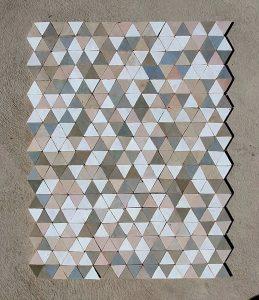
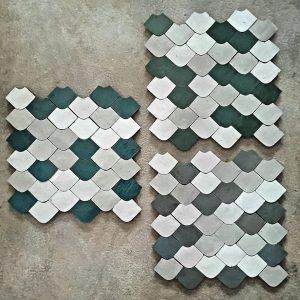
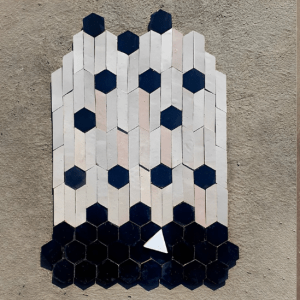
Zellige is a traditional ceramic mosaic art with a long history in Islamic art and architecture. Many countries in the Muslim world have glazed tiles of this style, but Moroccan zellige and Andalusian zellige are two of the most well-known examples.
Although the two styles are closely related, they have key differences in patterns, techniques and cultural meanings.
Moroccan tile is more popular of the two, and it dates back to the 10th century.
Moroccan artisans use natural materials such as clay to create colorful Zellige tiles.
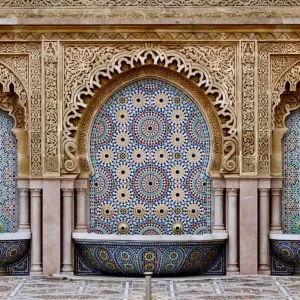
Artisans hand-carve geometric, floral, and calligraphic designs onto each tile before glazing and firing them at high temperatures. They commonly use blue, green, and white colors, but they also incorporate red, yellow, and black to create vibrant patterns.
form of zellige developed in Andalusia, southern Spain, during the time of the Muslims of Al-Andalus. Andalusian zellige differs from Moroccan zellige in that it mainly consists of imported materials like marble and rock crystal.. The patterns are often more complex and detailed than those found in Moroccan zellige, with representations of flowers, birds and other elements of nature.
One of the most striking differences between the two styles of tile is their cultural significance.
Moroccans consider tile a symbol of craftsmanship, tradition, wealth, and prosperity.
Zellige adorns palaces and mosques and is considered an essential part of moroccan architecture and culture.
In Andalusia, people used Andalusian zellige to decorate palaces and mosques, along with other decorative elements such as stucco and arabesques, as a symbol of wealth and prestige.
Despite their differences, Moroccan and Andalusian tile share a common history and appreciation for the craftsmanship and beauty of ceramic designs. Both styles also incorporate art and architecture from other parts of the Muslim world, including Egypt, Turkey and Iran. Today, many countries in the Muslim world still appreciate zellige as a popular art form for its beauty, intricacy, and cultural significance.