Discover the Timeless Beauty and Unmatched Quality of The Tiles from morocco for Your Home Design
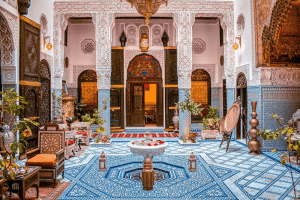
If you're seeking to infuse your home decor with an exotic touch of elegance, look no further than the enduring beauty and unmatched quality of the tiles from Morocco. These captivating ceramic tiles, renowned for their intricate designs and vibrant colors, have long been a staple of Moroccan architecture and design. Today, their allure has transcended borders, captivating homeowners worldwide. Embracing Moroccan tiles allows you to effortlessly transform any space into a stunning work of art.
A Testament to Artisanal Craftsmanship and Lasting Charm
One of the distinguishing characteristics of Moroccan tiles is their handmade craftsmanship, meticulously created by skilled artisans. This artisanal touch ensures that each tile possesses its own unique character, contributing to the overall charm and allure of the final product. Additionally, these tiles are exceptionally durable and easy to maintain, making them an ideal long-term investment for any home. By incorporating Moroccan tiles into your design, whether as a statement wall, a striking backsplash, or a distinctive flooring arrangement, you unlock boundless opportunities to elevate the aesthetic appeal of your home.
The History and Global Appeal of Moroccan Tiles
Delving into the history of Moroccan tiles, they are widely known as zellige tiles, derived from the Arabic term for "small polished stone." The art of zellige tile-making originated in the 10th century when Muslim craftsmen introduced it to Morocco. Since then, Moroccan tiles have adorned prestigious structures such as mosques, palaces, and other prominent edifices. The intricate designs and vibrant colors were meticulously selected to evoke a sense of luxury and sophistication, leaving a lasting impression on visitors. Gradually, Moroccan tiles found their way into homes and other establishments worldwide, captivating design enthusiasts with their captivating allure.
Vibrant Colors and Bold Geometric Patterns: The Allure of Moroccan Tiles
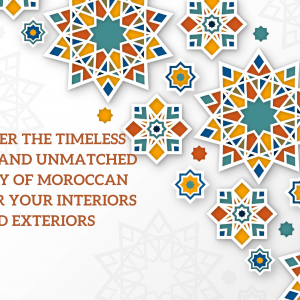
Noteworthy attributes define Moroccan tiles, from their vibrant colors to bold geometric patterns. These tiles offer an extensive palette of rich, saturated hues, ranging from deep blues and greens to bright yellows and oranges. Each color is carefully selected to infuse spaces with personality and flair. Furthermore, Moroccan tiles feature complex and intricate geometric patterns, characterized by repeating motifs and symmetrical shapes that exude harmony and order.
Unveiling the Beauty of Moroccan Tiles: Zellige, Bejmat, and Cement Tiles from Morocco
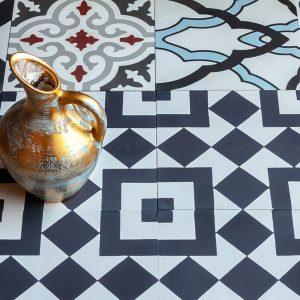
Three primary types of Moroccan tiles include zellige, bejmat, and cement tiles. Zellige tiles, the epitome of traditional Moroccan craftsmanship, are meticulously handcrafted using a clay and glaze blend. These tiles are skillfully cut into small geometric shapes and arranged to form mesmerizing mosaics. Bejmat tiles bear similarities to zellige tiles, but with slightly larger and more uniform edges. Fired at higher temperatures, they offer enhanced durability and water resistance, making them ideal for flooring and wall cladding. Cement tiles represent a modern interpretation of Moroccan tile artistry. Unlike zellige and bejmat tiles, cement tiles are created from a blend of cement, sand, and pigment. Molded into various shapes and patterns, they are widely employed for flooring and wall cladding.
Versatile Applications: Floors, Walls, Backsplashes, and Accents
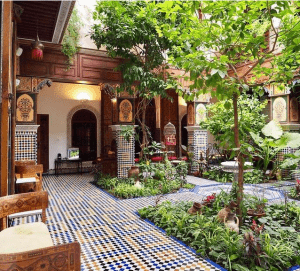
The versatility of Moroccan tiles extends to their application in home design. Floors, walls, backsplashes, and accents can all benefit from the captivating presence of Moroccan tiles. As flooring material, these tiles introduce captivating textures and patterns, enabling you to customize rooms according to your preferences. You may opt for a single color or experiment by combining different patterns and colors to create a unique visual mosaic. The tiles from Morocco also prove popular for wall cladding and backsplashes in kitchens and bathrooms. Their intricate patterns and bold colors add style and personality to these spaces, while their durability ensures resistance against moisture and wear. Moreover, Moroccan tiles can serve as accents, infusing a touch of character into a room without overwhelming the overall design. They can also be utilized to create statement walls or accentuate architectural elements such as fireplaces and doorways.
Patterns and Colors: A Diverse Palette of Moroccan Tile Designs
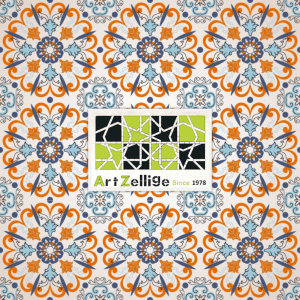
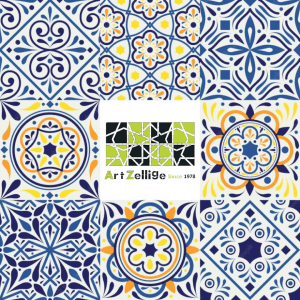
The popularity of the tiles from Morocco is owed to the wide array of patterns and colors available. Captivating Moroccan star patterns capture timeless geometric elegance, showcasing eight-pointed stars that embody enduring beauty. Bold Moroccan cross patterns make a statement, featuring large crosses embellished with smaller diamonds along the edges. Delight in the mesmerizing illusion created by Moroccan fish scales, as their overlapping arrangement creates a sense of movement and depth.Meanwhile, Moroccan honeycomb patterns, characterized by hexagonal shapes, deliver a sense of symmetry and order. Colors used in Moroccan tiles range from vibrant shades of blue, green, yellow, and orange to neutral tones like white and gray, ensuring diverse options to suit your personal taste and complement your existing decor.
Integration into Home Design: Striking Elements and Subtle Accents
Integrating the tiles from Morocco into your home design is a straightforward and versatile endeavor. For those seeking a standout element, consider incorporating Moroccan tiles into a single wall or as a striking backsplash in the kitchen or bathroom. Engaging Moroccan tiles for flooring design provides the opportunity to experiment with various patterns and colors, whether opting for uniformity or mixing and matching. For a more subtle approach, utilize Moroccan tiles as accents, allowing a single tile or a small grouping to infuse charm and interest into any room. These tiles can also accentuate architectural features such as fireplaces or doorways, adding an element of visual appeal to focal points.
Care and Maintenance: Preserving the Beauty of Moroccan Tiles
Proper care and maintenance are essential to preserving the beauty of Moroccan tiles. Regularly wiping them down with a damp cloth ensures they retain their luster. Should more stubborn stains arise, a mild detergent and warm water can be used for gentle scrubbing. Given that Moroccan tiles are porous, proper sealing is crucial to prevent moisture absorption. Prior to installation, it is advisable to seal the tiles with a penetrating sealer. This protective measure shields against stains and moisture while simplifying cleaning and maintenance.
Acquiring tiles from Morocco: Online and Physical Sources
To acquire Moroccan tiles, a variety of sources, both online and physical, cater to your needs. Renowned online retailers such as Zia Tile, Riad Tile, and Mosaic House offer an extensive selection. Local tile stores and home decor shops may also carry Moroccan tiles, allowing you to view them firsthand before making a purchase. As you explore purchasing options, ensure you prioritize tile quality and the retailer's reputation. Additionally, consider budgetary factors, as certain styles and patterns may command higher prices than others.
Conclusion
In conclusion, Moroccan tiles encapsulate a unique and timeless beauty that elevates any home design. Their bold patterns, vibrant colors, and exceptional craftsmanship imbue spaces with an exotic flair. Be it as flooring, wall cladding, or accents, the tiles from morocco empower you to create personalized and visually striking home decor. Embark on a journey infused with Moroccan flair by embracing these enduring and unmatched tiles.